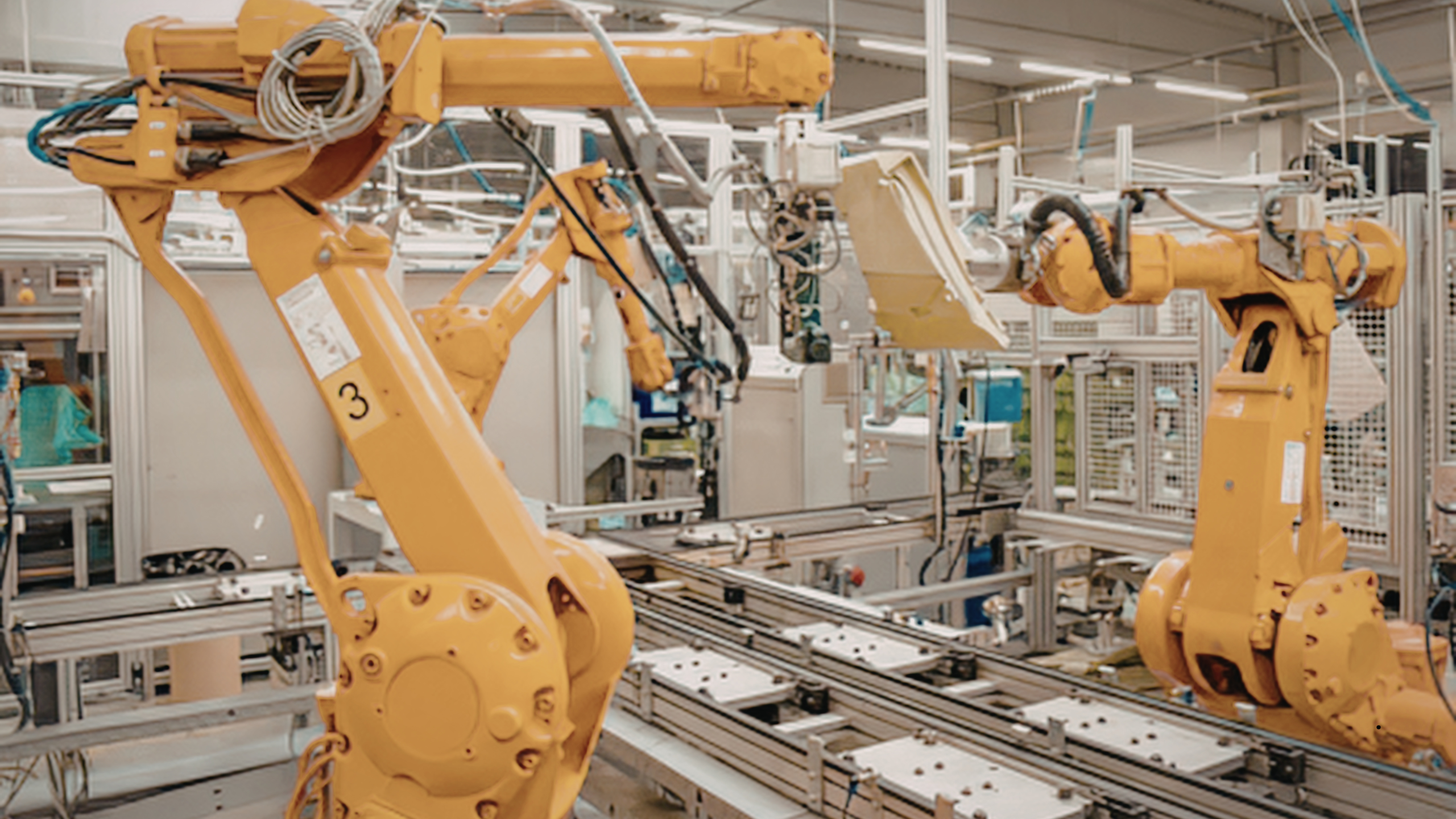
Modern industries are rapidly adopting smart technologies to improve productivity, accuracy, and operational efficiency. One of the most important innovations in manufacturing is automation smart welding. This advanced welding technology combines robotics, automation, and intelligent control systems to deliver high-quality welding results with minimal human intervention.
Traditional welding methods often require skilled labor, significant time, and continuous monitoring. Human errors, inconsistent weld quality, and workplace safety risks can affect production performance. Smart welding automation solves these challenges by using robotic welding systems equipped with sensors, programmable controls, and real-time monitoring capabilities.
Automated smart welding systems are widely used in industries such as automotive, aerospace, construction, shipbuilding, heavy machinery, and metal fabrication. These systems can perform repetitive welding tasks with exceptional precision and speed. Robotic welding machines maintain consistent weld quality, reduce material waste, and increase overall production output.
One of the major advantages of smart welding automation is improved efficiency. Automated welding robots can work continuously for long hours without fatigue, helping manufacturers meet large production demands. This reduces downtime and increases operational productivity. In addition, smart systems can quickly adapt to different welding requirements through software programming and intelligent controls.
Safety is another important benefit of automated welding systems. Welding environments often expose workers to heat, sparks, fumes, and hazardous conditions. Robotic welding systems reduce direct human exposure to dangerous tasks, creating a safer workplace for employees.